Can a municipality revoke the designation of a protected townscape to make way for housing development? According to the Dutch Council of State, it can, provided that the interests involved have been carefully balanced. A ruling concerning the Dreven neighbourhood in The Hague demonstrates when housing development and quality of life may outweigh the protection of cultural heritage.
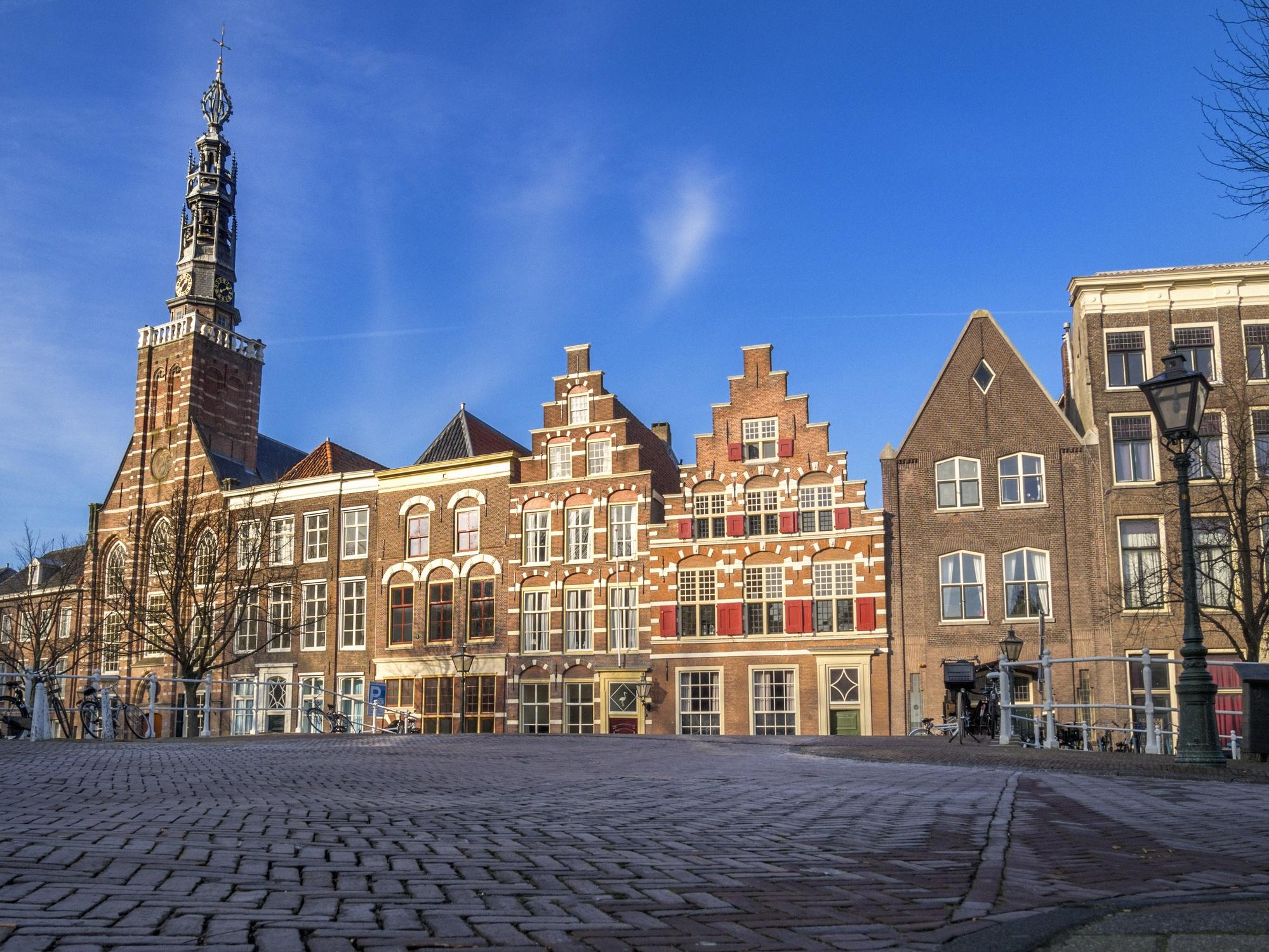
There are various categories of protection for built heritage. The most extensive form of protection is designation as a listed monument (either a national or municipal monument). Another common form of protection is the designation of a group of adjoining buildings as a protected townscape (or, in villages, a protected village conservation area).
Within protected townscapes, the possibilities for carrying out construction work without a permit, particularly at the front of a property, are significantly restricted. Municipalities may also include additional building regulations for properties located within protected townscapes in their environmental plans (omgevingsplannen). These plans often stipulate that construction must take account of the cultural and historical values identified in the original decision designating the area as a protected townscape.
The fact that a protected townscape enjoys a lower level of protection than a listed monument is illustrated by a ruling of the Administrative Jurisdiction Division of the Dutch Council of State (hereinafter referred to as the "Council of State") dated 5 August 2026.
The central question in that case was whether a municipal council may revoke the designation of a protected townscape in order to facilitate housing development. The Council of State answered this question in the affirmative.
The case concerns De Dreven, a post-war residential neighbourhood in The Hague. In 2004, The Hague Municipal Council designated the neighbourhood as a protected townscape, partly because of its "original character and distinctive urban layout".
Today, however, the neighbourhood faces significant social challenges and has an ageing housing stock that no longer meets modern sustainability requirements.
The municipality intends to undertake a comprehensive redevelopment of the area. Of the 139 existing homes, 64 are to be demolished and the remaining 75 renovated. In addition, 191 new homes are to be constructed, increasing the total number of homes in the neighbourhood to 266.
However, these plans are incompatible with the neighbourhood's protected townscape status. Consequently, in 2022, the municipal council decided to revoke the designation, despite receiving a negative recommendation from the municipal Architectural Quality and Monuments Committee.
The association Vrienden van Den Haag ("Friends of The Hague") disagreed with this decision and lodged an appeal against the revocation.
Before the Council of State, the association argued that:
The Council of State began by establishing that municipal councils have discretionary powers when deciding whether to revoke a protected townscape designation. This discretion includes balancing the cultural and historical significance of an area against the interests of housing provision and quality of life. According to the Council of State, the continued existence of the cultural and historical values that originally justified the designation does not, in itself, prevent its revocation.
The Council of State attached considerable importance to the extensive research underpinning the municipal council's decision. This research examined four alternative approaches to renovating the neighbourhood. Only one of these alternatives, involving increased housing density, required the revocation of the protected townscape designation. The other three alternatives could have been implemented while retaining the protected status. However, the research demonstrated that the higher-density redevelopment option would make by far the greatest contribution to meeting housing needs. Under this option, the stock of social housing would not only increase, but the housing mix would also become more diverse, encouraging greater mobility within the housing market. The municipal council also provided a convincing explanation as to why renovation within the existing protected urban structure would be insufficient. Problems relating to noise, accessibility and internal housing layouts could not be adequately resolved without introducing a new urban design.
According to the Council of State, the fact that some of the redevelopment objectives could also have been achieved while retaining the protected designation did not alter this conclusion.
Finally, the Council of State took into account that the municipal council had given due consideration to the neighbourhood's cultural and historical values.
Several defining characteristics of the protected townscape, including the street layout and building patterns, would be preserved under the redevelopment plan.
Taking all these circumstances into account, the Council of State concluded that the municipal council had been entitled to revoke De Dreven's designation as a protected townscape.
The full ruling can be accessed here.
This case concerned a protected townscape. Given the substantive and regulatory similarities, in my opinion, the ruling may also be applicable to protected village conservation areas.
However, it remains uncertain whether the Council of State's reasoning and the outcome of this case can also be applied to listed monuments. This is because the Council of State applies stricter criteria when assessing the revocation of a monument designation.
The De Dreven ruling demonstrates that, where the need for renovation and housing development has been thoroughly investigated and properly substantiated, it is indeed possible to revoke the protected status of buildings or areas.
This remains the case even where alternative renovation or housing development options exist that would comply with the existing protected designation.
Do you own a property located within a protected townscape or village conservation area, or a property with listed monument status, and are you seeking legal advice? Our heritage and monuments law team can advise you. We have extensive experience and specialist expertise in this field. Please contact David Wenniger of Jacco van Lint for further information.